
Why Your Engineering Team Needs Better Design Docs
Code tells you what the system does. Documentation tells you why.
If you’ve ever joined a new engineering team and stared blankly at a repository with 50 microservices and zero architectural context, you know the pain of missing design docs. But traditional documentation—massive, text-heavy wikis that go out of date the minute they are published—isn't the answer either.
The Cost of Missing Context
Without clear design documentation, architecture is communicated via the "Telephone Game." A senior engineer explains the system over a Zoom call, the new hire takes rough notes, and a month later, someone accidentally bypasses the API Gateway because they didn't know it existed.
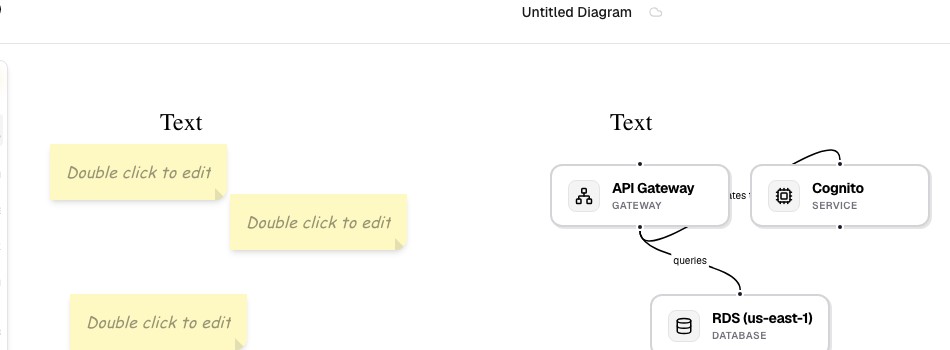
Text vs. Visual Documentation
Human brains process visual information significantly faster than text. Writing "Service A publishes an event to the Kafka topic, which is consumed by Service B and Service C, while Service D polls the database directly" requires cognitive load to parse.
A simple flow diagram communicates the exact same information instantly.
RFCs that Actually Work
A good Request for Comment (RFC) or Design Doc shouldn't be a 50-page technical spec. It should be agile:
- The Problem: What are we solving?
- The Proposal: A high-level visual architecture diagram.
- The Trade-offs: Why we chose Postgres over MongoDB.
When you lead with an architecture diagram, stakeholders—even non-technical product managers—can immediately grasp the scope of the change.
Conclusion
Invest in clarity. Stop writing massive walls of text and start drawing your systems. Learn the basics of the canvas, explore our architecture nodes, and learn how to export your work into your team's wiki.
Try visualizing your next architecture decision in Rekhic.